

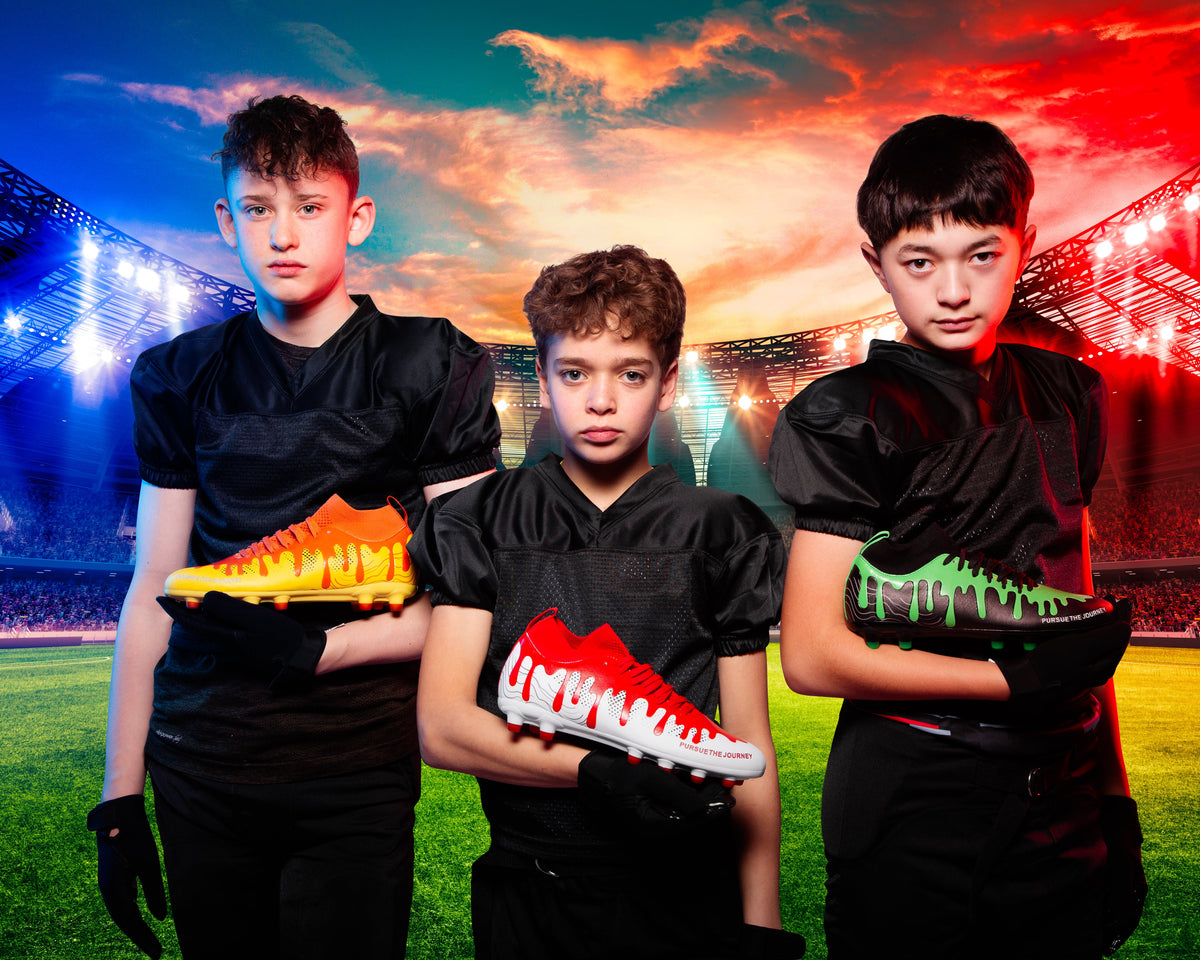
This summer’s World Cup in North America got players of every age talking about the game again, and many are now heading into the fall season wanting a fresh setup. Maybe you watched your favorite stars and fell for a new design, or your child is asking for a pair after watching the tournament. Either way, picking the right footwear takes more than choosing the best-looking pair. A few simple checks will point you to the right fit, whether you play on weekends with friends or train several times a week.
🆕 What Is New With 2026 Soccer Cleats
Major brands released special World Cup editions and new designs this year, and the focus has been on comfort and control. 2026 Soccer Cleats lean toward lighter uppers, softer touch zones around the forefoot, and more flexible soles that move naturally with your stride. Many pairs also use knit or synthetic materials that mold to the foot faster, which means less time spent breaking them in.
If you like to stay current, browsing the latest soccer cleats is a good way to see which colorways and technologies are gaining attention as the new season gets underway. Just remember that newer does not always mean better for you. The best pair is the one that fits your foot and suits how you play.
⚽️ Match Your Cleats to Your Playing Surface
Surface matters more than most players realize. Here is a quick way to match your cleats to where you play:
- Firm ground cleats: Best on natural grass that is dry or slightly damp.
- Artificial grass pitches: Shorter, more numerous studs spread pressure and reduce the chance of your foot sticking.
- Indoor courts: Flat, non-marking soles give you grip without extra bulk.
Wearing the wrong type can affect your balance and even lead to sore knees or ankles. If you play on more than one surface, consider owning two pairs instead of forcing one to do everything.
✨ Style Meets Performance With Designer Soccer Cleats
Designer soccer cleats have become a popular choice for players who want to stand out on the pitch without giving up fit or traction. Bold colors, clean finishes, and thoughtful detailing make them as appealing off the field as on it. When you shop, check the same basics you would with any pair: a snug heel, room for your toes, and a stud pattern that matches your surface.
🧒 Youth Soccer Shoes: What Parents Should Look For
Children’s feet grow fast, and their needs are different from adults’. Good youth soccer shoes should be light, flexible, and easy to put on, since young players are still building confidence and coordination. Fit is the priority. Leave about a thumb’s width of space at the front, but make sure the heel stays secure so the foot does not slide.
It is tempting to buy a size up so the shoes last longer, but oversized cleats can cause blisters and affect running form. Check the fit every couple of months during busy seasons, and replace them as soon as your child’s toes feel tight.
🏃 Why Soccer Training Shoes Deserve a Spot in Your Bag
Match day gets the attention, yet most of your improvement happens in practice. Soccer training shoes are built for drills, conditioning, and quick footwork on hard or mixed surfaces. They offer extra cushioning and a more durable outsole, which protects your match cleats from daily wear.
Using a separate pair for practice also helps your cleats keep their shape and grip for the games that count. For players who train three or more times a week, this small change often pays off quickly.
👣 Comfort Starts Inside With Custom Insoles
Even the best pair can feel average if the footbed does not suit your foot. Factory insoles are made for a general shape, but every foot is different. Custom insoles for shoes add support where you need it, helping with arch comfort, shock absorption, and overall stability during long sessions.
Many players notice less fatigue after switching, especially when they play back-to-back games or train on hard surfaces. If you often finish a session with sore heels or tired arches, better insoles are worth a try.
🧼 Simple Care Tips to Make Your Cleats Last
A little maintenance goes a long way. These four habits keep your cleats comfortable and game ready:
- Knock off dirt after every session.
- Wipe the uppers with a damp cloth and let your cleats air dry away from direct heat.
- Remove the insoles occasionally so moisture does not build up.
- Avoid tossing wet cleats into a closed bag, as that is the fastest way to ruin both the material and the fit.
👟 Quick Summary Takeaway
- Know your surface. Match your cleats to your surface: firm ground, artificial grass, or indoor.
- Choose fit first. Fit and comfort matter more than hype, especially for young players.
- Add training shoes. A separate practice pair protects your match cleats and keeps them game ready.
- Support your feet. Custom insoles add arch support and shock absorption for long sessions.
- Stay current, stay smart. Browse the latest designs each season, then pick what suits how you play.
Ready to upgrade your setup? Explore our full latest soccer cleat collection and find the pair that fits your game this fall.
Shop soccer cleats
Share:
The Parents’ Sideline Code: 5 Things Soccer Coaches Wish You Knew